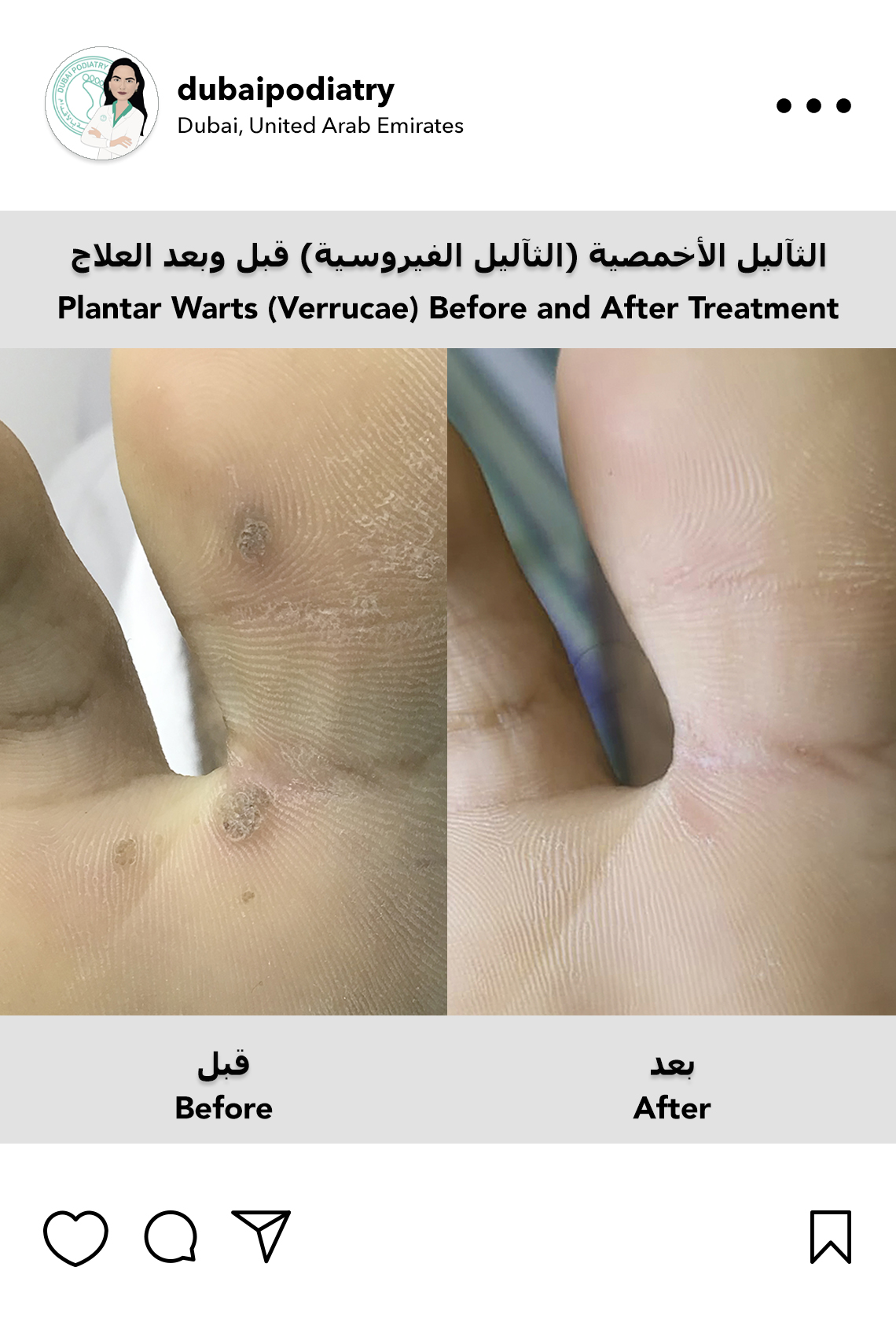
الثآليل الأخمصية هي آفات جلدية فيروسية قد تكون مؤلمة عند الضغط.
نقدّم علاج ديرموجيت (Dermojet) — وهو علاج موجّه بدون إبر — كخيار سريع وفعّال في العديد من الحالات، مع برنامج عناية لاحق مخصص لكل مريض.

Please wait...
Please wait...

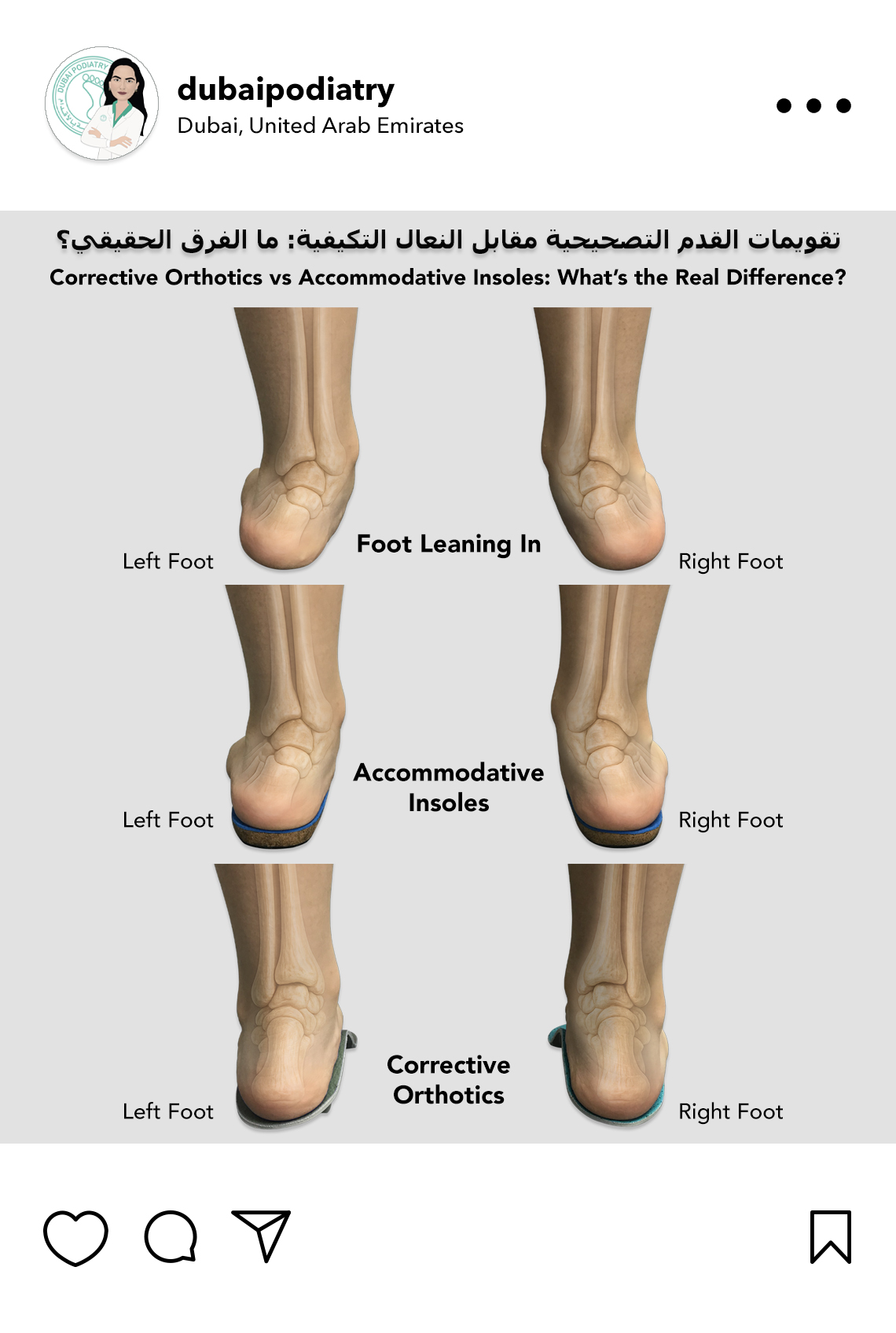
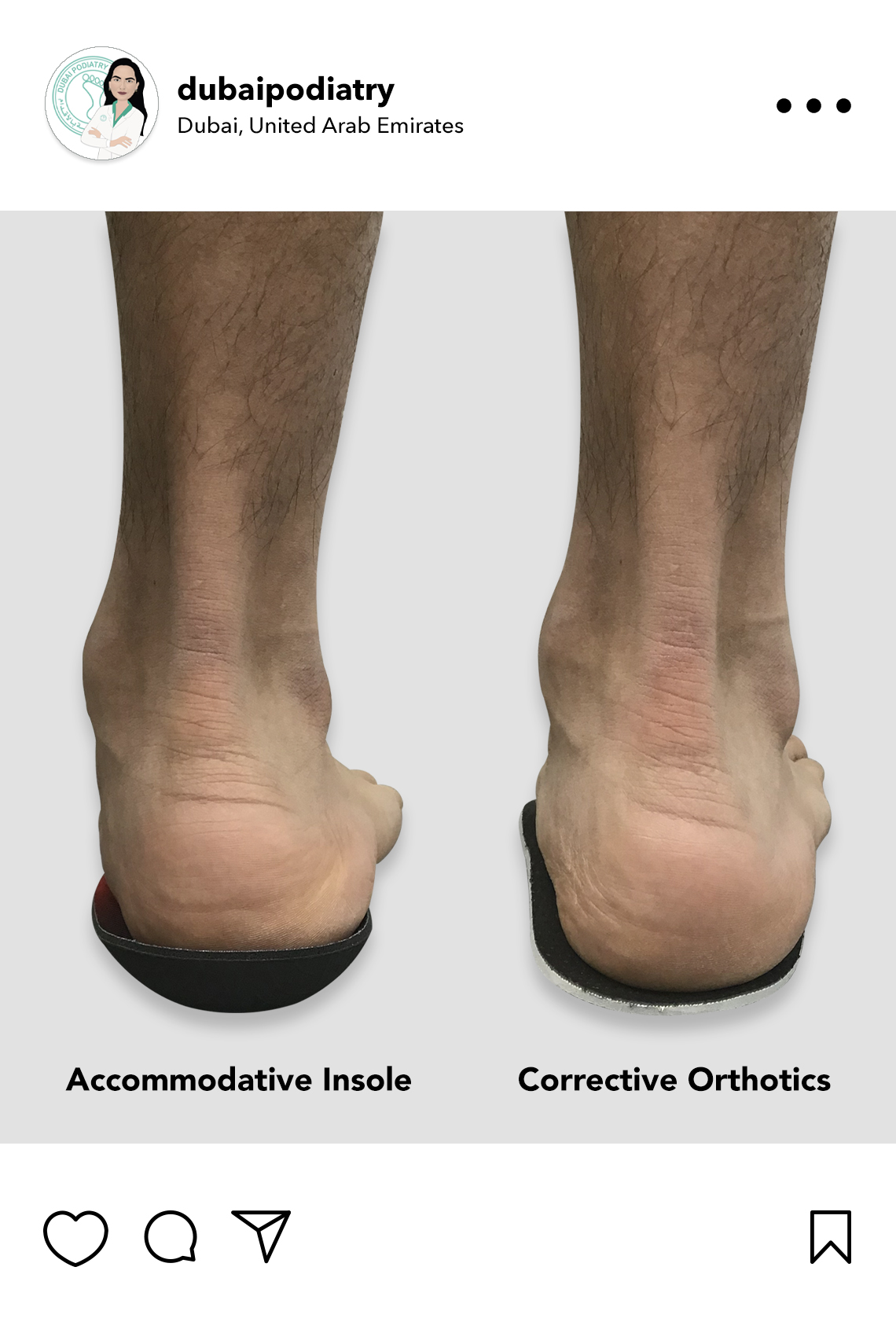
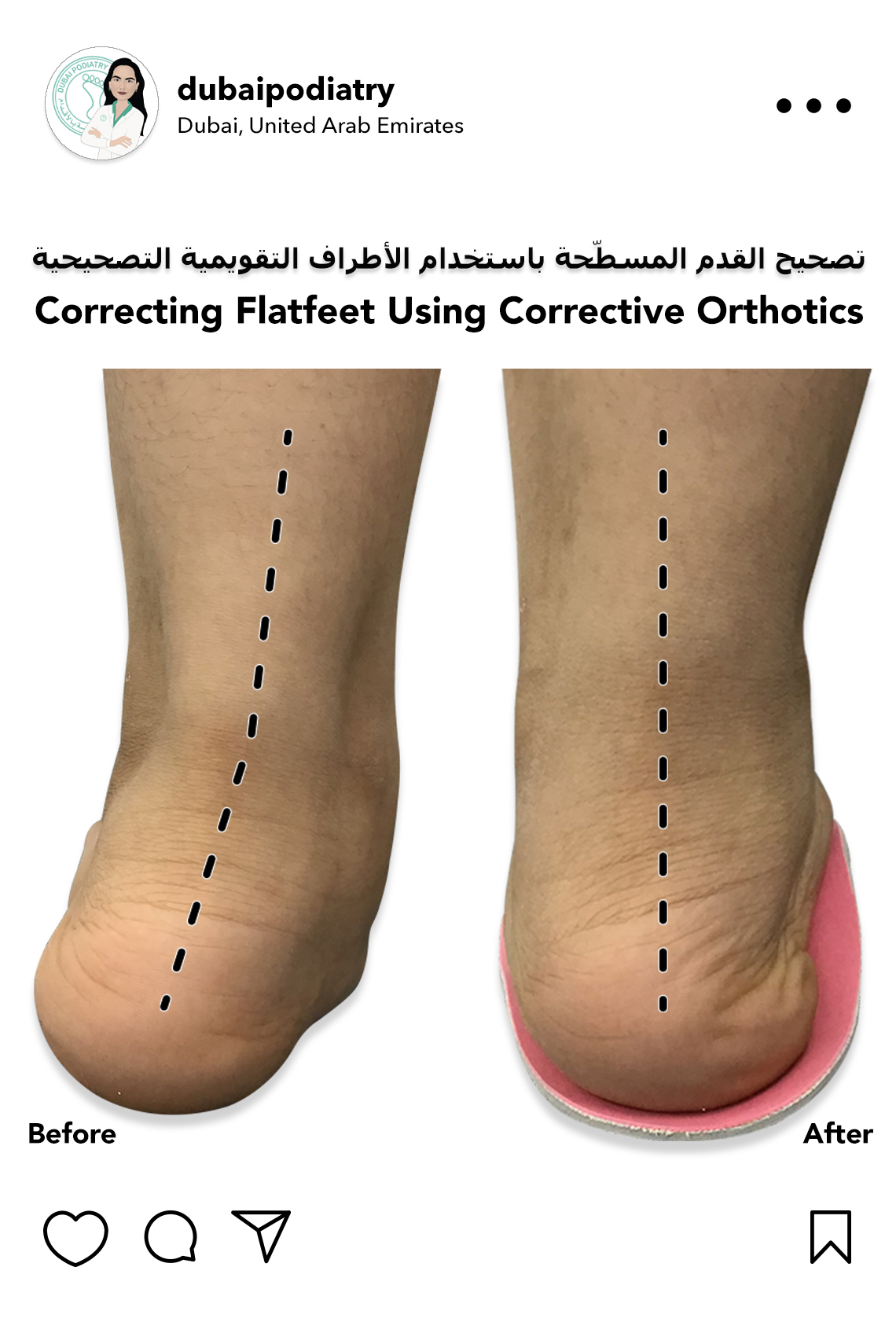
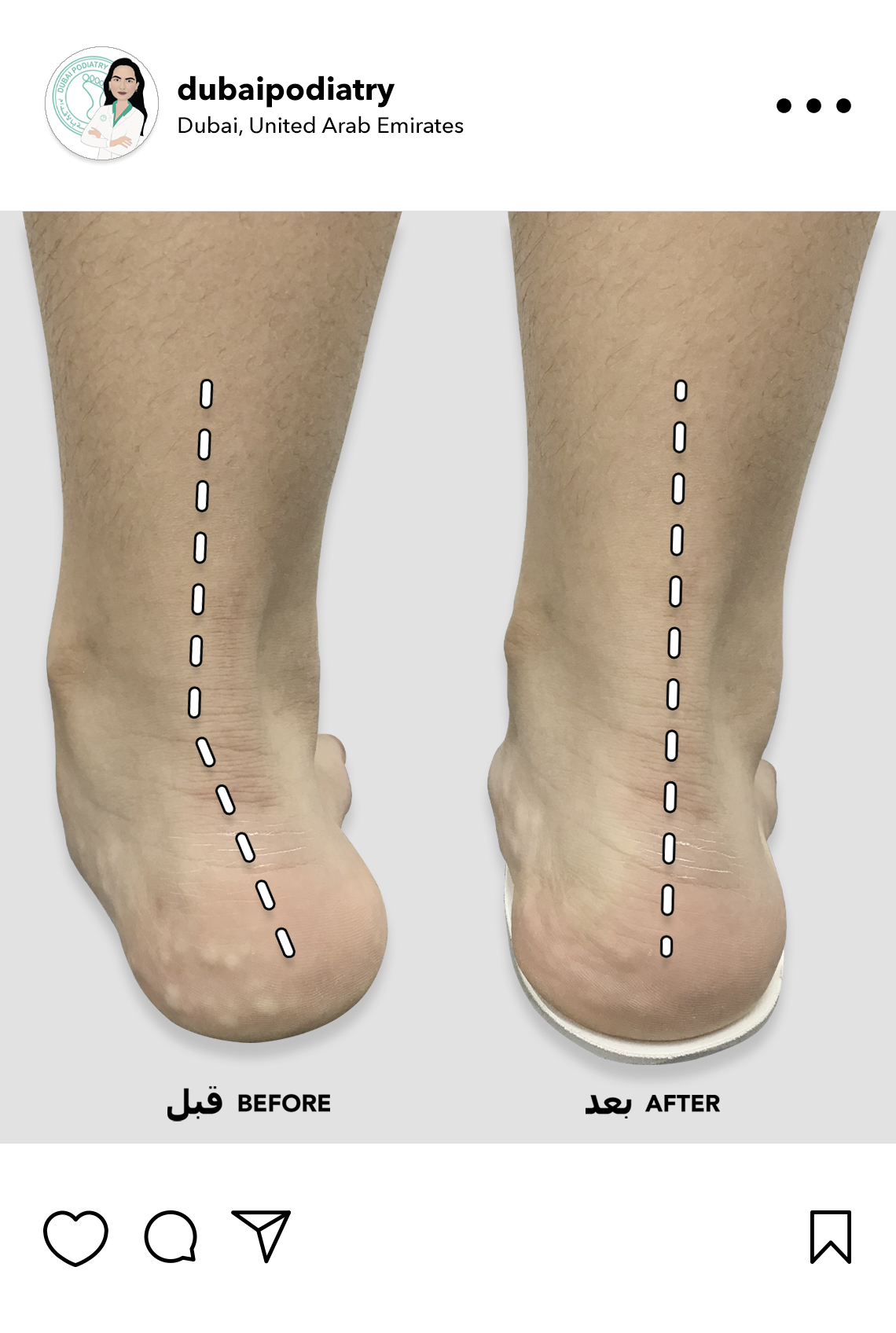
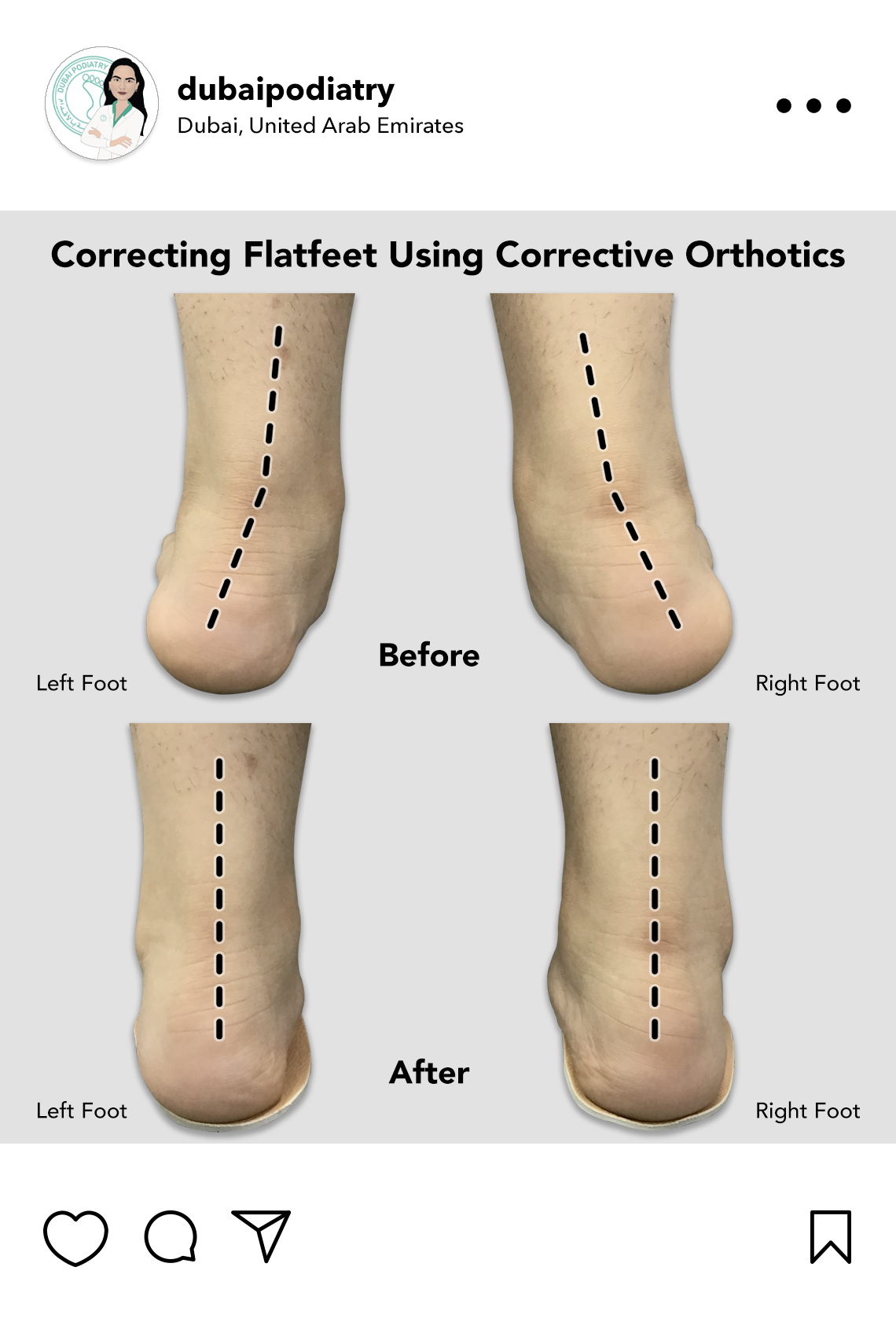
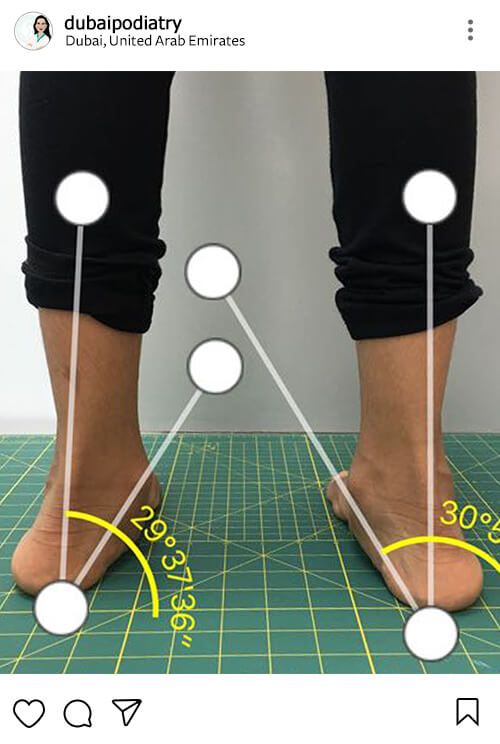
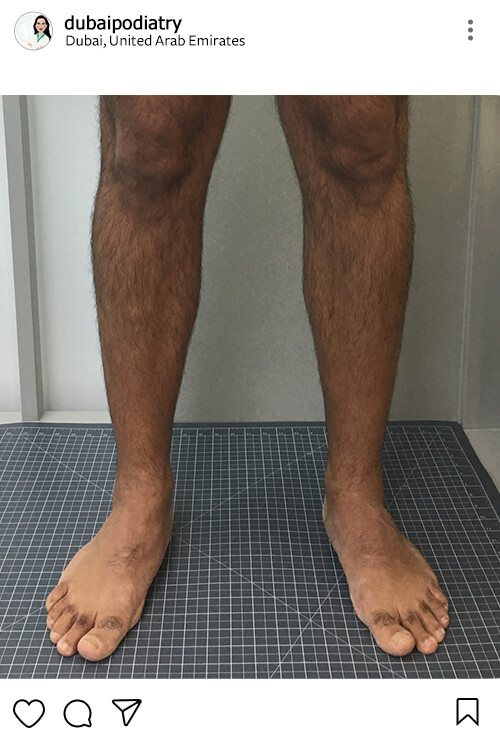
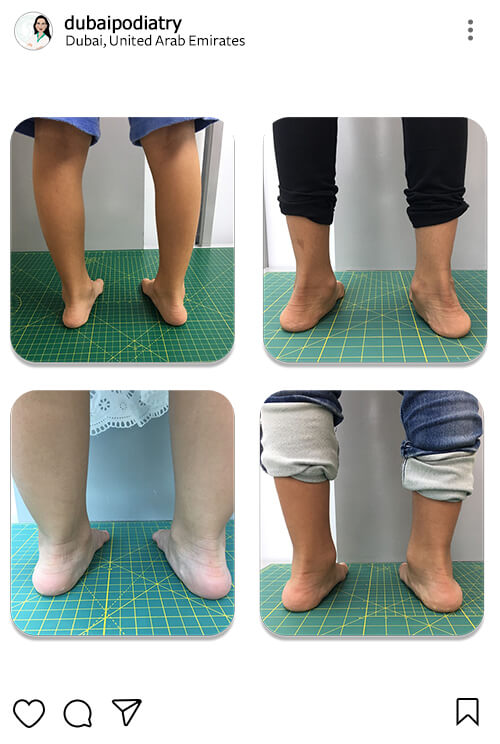
نقوم بتقييم محاذاة القدم والساق، والأقواس، وطريقة المشي، ثم نصمّم دعامات تقويمية تصحيحية لتقليل الألم، وتحسين الثبات، ودعم الأداء الرياضي.
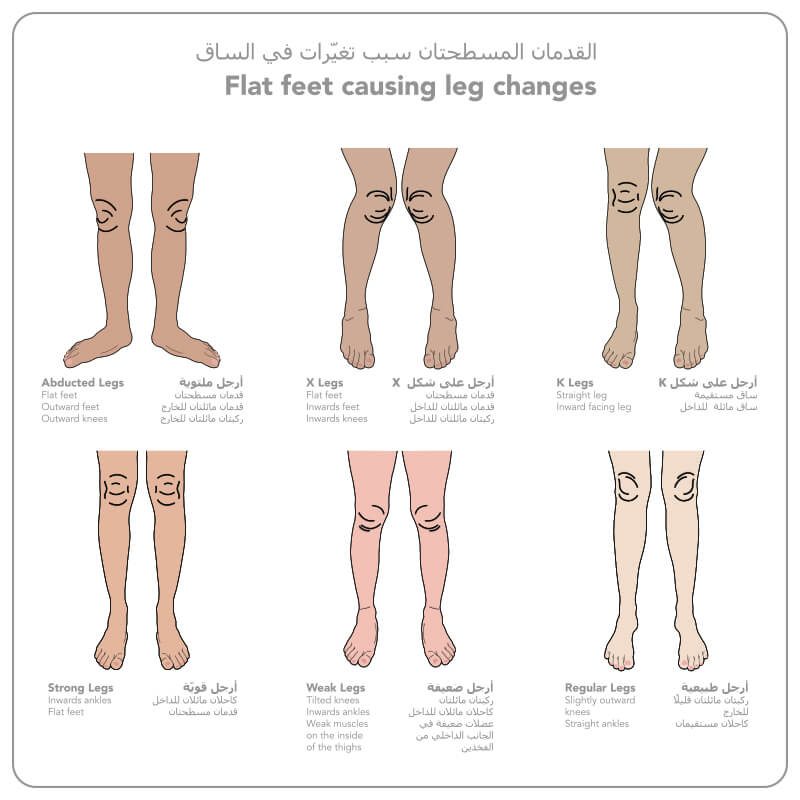
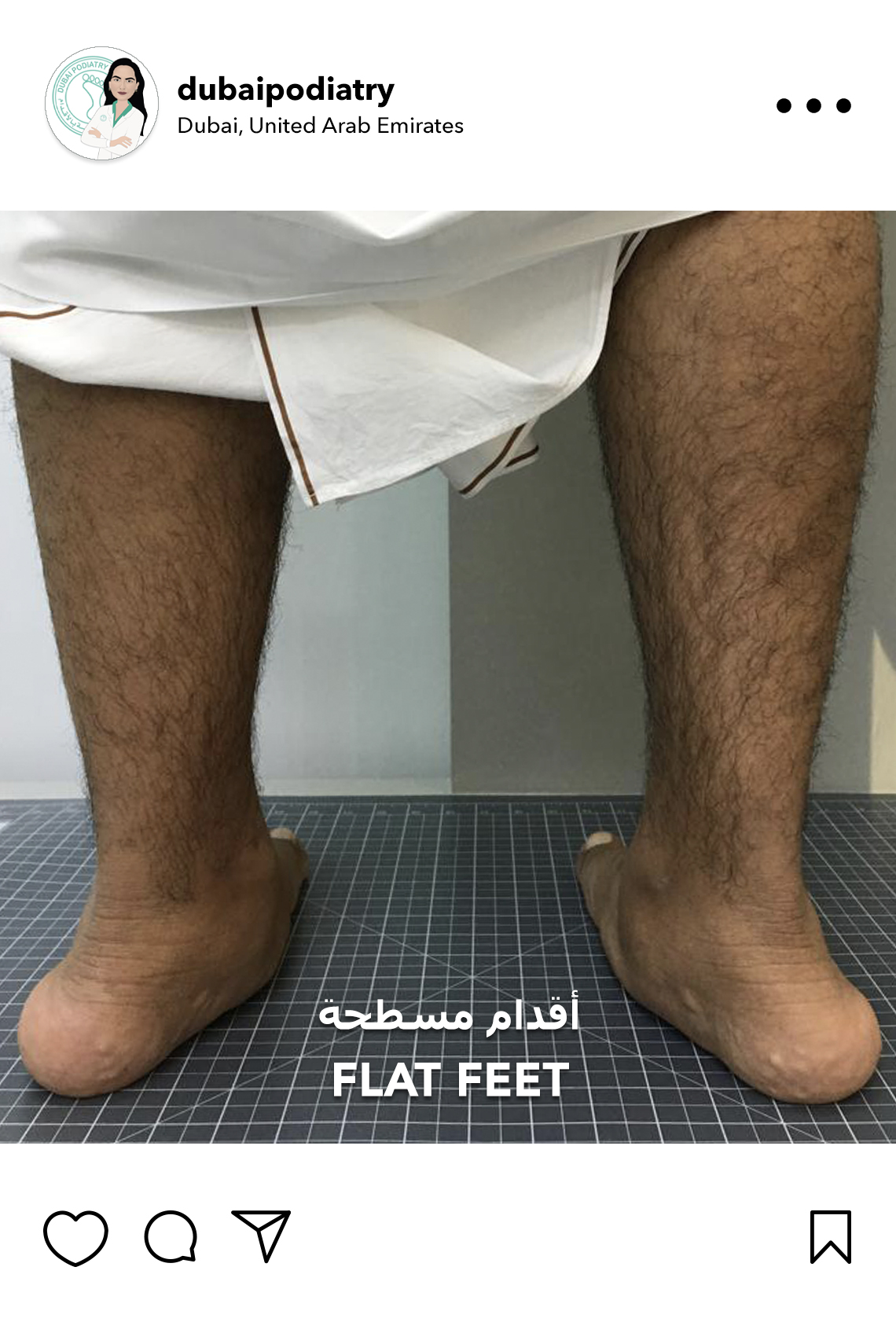
الأعراض الشائعة: ميل الكاحلين إلى الداخل، تعب الساقين، ألم في الركبتين أو الوركين، و”انهيار” الأقواس.
نهجنا: تقييم ميكانيكي حيوي شامل → وصف دعامات تقويمية مخصصة → متابعة لاحقة.
مناسب لـ: البالغين، الأطفال في مرحلة النمو، والعدّائين.
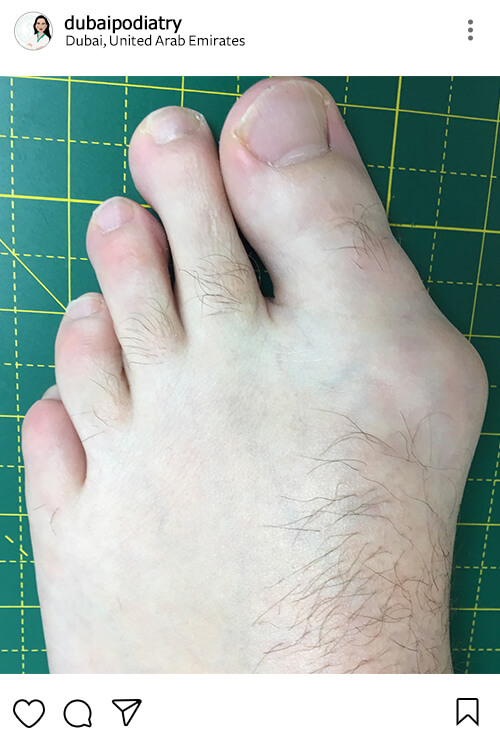
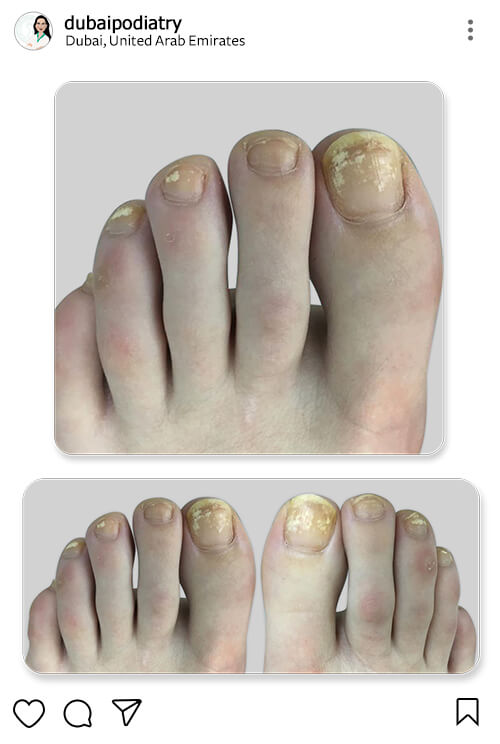
نقدّم من قصّ الأظافر الطبي الدقيق إلى إزالة جزئية أو كلية للظفر (تحت التخدير الموضعي) عند الحاجة. كما نعالج حالات انفصال الظفر (Onycholysis) والأظافر الفطرية المزمنة التي لم تستجب للعلاجات الموضعية.
الخيارات المتاحة عادة: قصّ تصحيحي، إزالة جزئية للظفر مع الكي الكيميائي لمنع تكرار الحالة، أو إزالة كلية عند الضرورة.
لدى مرضى السكري وضعف الدورة الدموية: يُنصح بالعناية الدورية بالأظافر على يد أخصائي القدم.
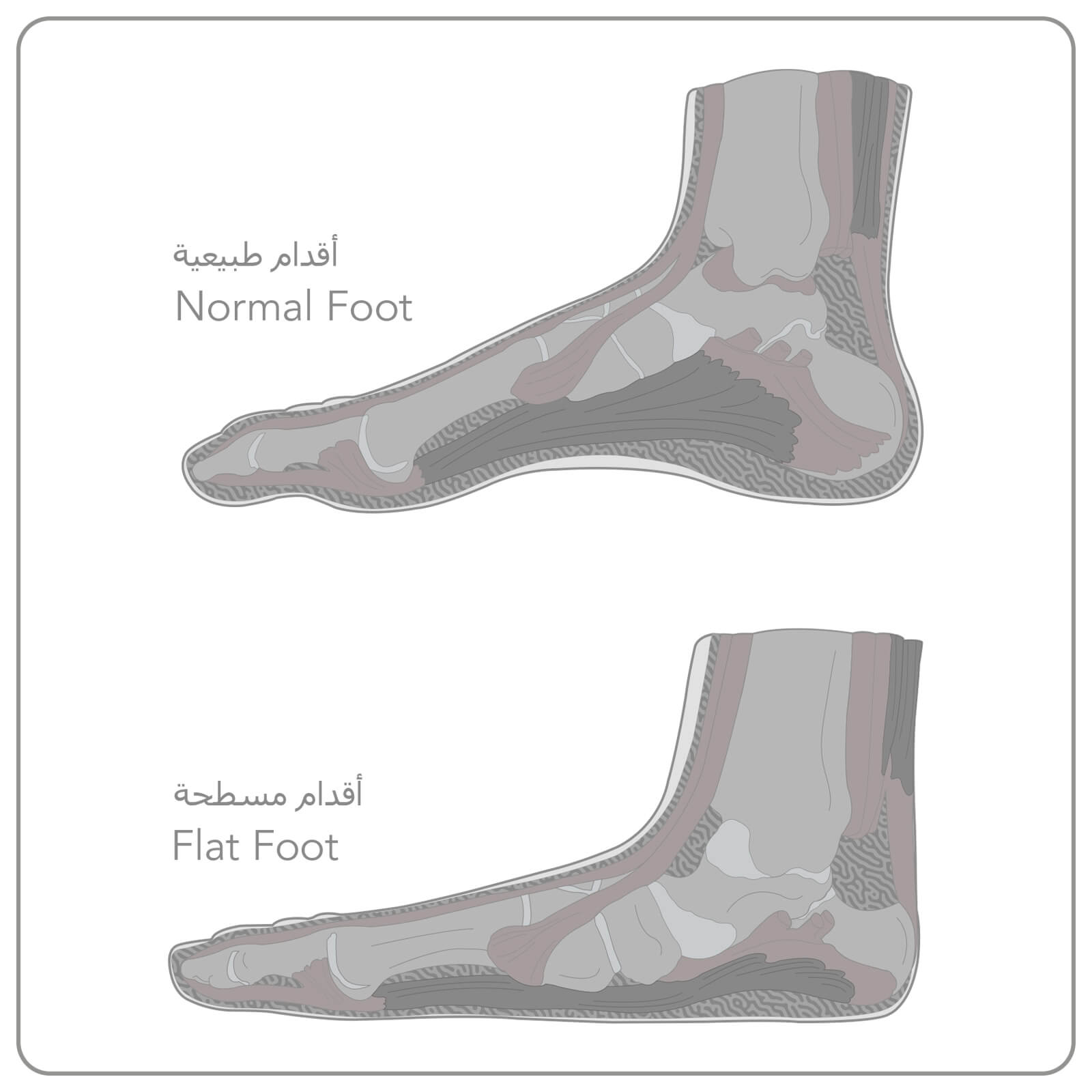
Flat feet are commonly associated with inward rolling of the ankles, a condition known as overpronation. When the ankles tilt inward, the body’s weight is distributed unevenly across the feet, which can lead to foot pain, poor posture, and increased strain on the knees, hips, and lower back. Custom corrective orthotics are designed to address […]
One of the most common reasons people delay seeking treatment for toenail problems is simple embarrassment. Many patients tell us they have been hiding their feet for years. They avoid sandals, swimming pools, pedicures, and sometimes even showing their feet to family members. Some have been covering their toenails with nail polish or avoiding treatment […]
Many people are surprised to learn that fungal toenail infections often begin with a fungal skin infection between the toes, commonly known as athlete’s foot (tinea pedis). The fungi responsible for athlete’s foot are commonly found in our environment and can also exist naturally on the skin without causing problems. However, when conditions become […]
Wow! What a great place. Friendly staff from start to finish. Dr Champlin is a diamond, clearly loves her work and is super professional. She took time to explain everything with obvious expertise, enthusiasm and humour. Never thought I’d enjoy a podiatry appointment so much. Plus, there was none of the up selling you get in some clinics. Highly recommend!
The Dubai Podiatry Centre is an excellent foot care center. We would like to express our gratitude to the doctor and the staff for their courteous service and positive attention to every detail. We highly recommend this center to anyone facing foot issues, whether it’s flat feet or otherwise. A big thank to them, and we wish them continued success and prosperity.
I must say that I felt at home in the Dubai Podiatry Centre. The treatment I received was never given to me before. Thanks to the podiatrist and to all the staff.